

Escalation Without Borders: Trump’s Campaign Against Mexican Cartels and the Limits of Force
Posted in: Politics · National Security · International Relations
Date: 2026-9-28 16:03:58
SENSITIVE CONTENT WARNING: This article discusses cartel violence, drug trafficking, military strikes resulting in deaths, and related geopolitical tensions. Some readers may find the subject matter disturbing. Reader discretion is advised
What's The Haps?
As of late September 2026, the Trump administration has significantly escalated the U.S. approach to Mexican drug cartels and related transnational criminal organizations. This includes designating major groups as foreign terrorist organizations, asserting that the United States is engaged in a “non-international armed conflict” with them, conducting lethal military strikes on suspected drug-trafficking vessels in the Caribbean and eastern Pacific, and publicly discussing the possibility of further action, including on land. These steps have occurred against the backdrop of ongoing cartel-driven violence in Mexico, the continued flow of synthetic opioids into the United States, and firm Mexican insistence on national sovereignty.
The Nature and Dangers of Mexican Cartels
Mexican cartels—principally the Sinaloa Cartel, the Jalisco New Generation Cartel (CJNG), and several others—are sophisticated, heavily armed criminal enterprises. Their core businesses include the production and trafficking of fentanyl, methamphetamine, cocaine, heroin, and other drugs; extortion; kidnapping; human smuggling; money laundering; and territorial control enforced through extreme violence.
These organizations pose serious risks across multiple societies:
In Mexico: Cartel-related conflict has driven tens of thousands of homicides over the past two decades. Official figures and independent trackers show thousands of intentional homicides annually, with spikes in states such as Sinaloa and Michoacán tied to inter-cartel rivalries and competition over trafficking routes and precursor chemicals. Disappearances number in the tens of thousands since 2006. Cartels have corrupted or intimidated local officials, police, journalists, and businesses, undermining governance and economic activity in affected regions.
In the United States: Mexican organizations dominate the supply of illicit fentanyl and other synthetic opioids responsible for the majority of recent drug overdose deaths. While provisional data have shown declines in some overdose metrics in 2024–2025, annual U.S. overdose fatalities remain in the tens of thousands, with fentanyl and its analogs as primary drivers. Cartels also facilitate the movement of other drugs, weapons (often originating in the U.S.), and illicit proceeds.
Broader effects: Violence and instability spill across borders, contribute to migration pressures, enable money-laundering networks that touch the global financial system, and create parallel power structures that challenge the monopoly on legitimate force held by the state.
The combination of high lethality, adaptive organizational structures, access to precursor chemicals (often from Asia via Mexican ports), and willingness to use indiscriminate violence makes these groups persistent threats to public safety, public health, and institutional integrity.
Key Policy Developments Under the Trump Administration
Upon returning to office in January 2025, President Trump directed the State Department to designate major cartels and related groups as Foreign Terrorist Organizations (FTOs) and Specially Designated Global Terrorists. In February 2025, Secretary of State Marco Rubio completed designations covering the Sinaloa Cartel, CJNG, Gulf Cartel, Northeast Cartel, and others, later expanded to additional groups. The administration also designated illicit fentanyl and certain precursors in ways that framed them as weapons-related threats.
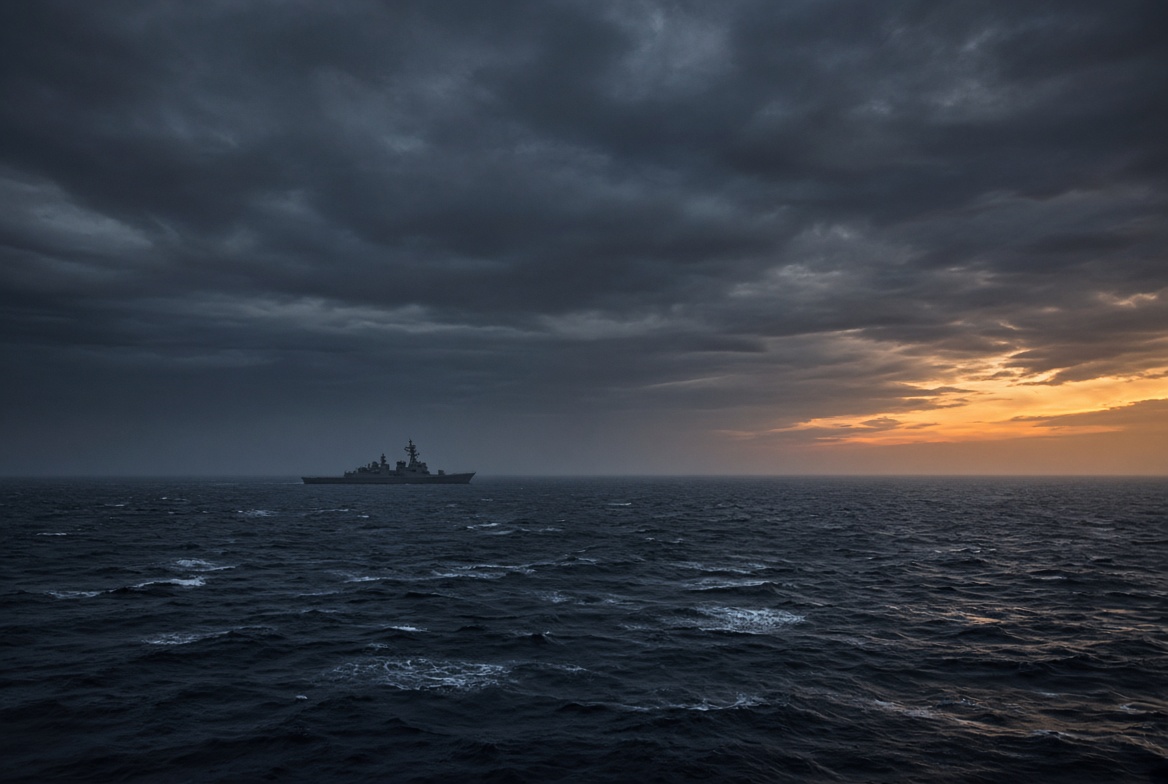
In October 2025, the administration submitted a confidential notice to congressional committees stating that the United States is engaged in a “non-international armed conflict” with designated cartels. The notice described cartel members involved in drug smuggling as “unlawful combatants” and asserted authority under the laws of armed conflict to use lethal military force in self-defense. This legal framing underpins a campaign of maritime strikes that began in September 2025 under U.S. Southern Command (often referred to in reporting as Operation Southern Spear or related task forces).
By mid-to-late 2026, publicly tracked figures indicated roughly 70 strikes on suspected drug vessels in the Caribbean Sea and eastern Pacific Ocean, resulting in more than 200 deaths (with varying counts across outlets ranging into the low-to-mid 230s). The administration has described these operations as targeting “narcoterrorists” along known trafficking routes and has claimed substantial reductions in seaborne drug flows, though independent assessments and some military testimony have questioned the overall impact on U.S.-bound fentanyl (most of which is produced in Mexico and crosses the land border) and noted that many Caribbean/Pacific vessels may be carrying cocaine destined for other markets.
President Trump has repeatedly raised the prospect of action against cartel infrastructure on land, including statements about “hitting land” with regard to the cartels. Reporting has described early planning for potential drone strikes or special operations inside Mexico under various legal authorities, though no confirmed large-scale ground operations on Mexican soil have been publicly verified as of September 2026. Separately, in January 2026 the United States conducted a special operations raid (Operation Absolute Resolve) that captured Venezuelan leader Nicolás Maduro on drug-trafficking and related charges; that action occurred in a distinct Venezuelan context.
Mexican Government Position
Mexican President Claudia Sheinbaum has consistently rejected unilateral U.S. military operations on Mexican territory, emphasizing national sovereignty. She has stated that Mexico will not accept foreign troops or interventions and has pointed to U.S. domestic demand for drugs, the flow of firearms from the United States into Mexico, and the need for shared responsibility. At the same time, her administration has intensified certain Mexican security operations, including seizures of fentanyl and precursor chemicals, dismantling of clandestine laboratories, and high-profile captures or killings of cartel figures (sometimes with reported U.S. intelligence support). Bilateral cooperation continues in areas such as intelligence sharing, vetted units, and limited joint training, conducted under frameworks that Mexico describes as respecting sovereignty.
Legal, Practical, and Strategic Considerations
The administration’s “armed conflict” determination and maritime campaign have generated significant legal debate. Supporters argue that the scale of cartel violence and drug-related American deaths justifies treating the groups as non-state armed actors under the law of armed conflict and the president’s Article II authority. Critics, including some legal scholars, lawmakers, and international-law analysts, contend that the criteria for a non-international armed conflict (organized armed groups engaging in protracted, intense armed violence against the state) are not met by drug-trafficking organizations, that the strikes risk constituting extrajudicial killings of civilians, and that unilateral action inside Mexico would violate Mexican sovereignty and the UN Charter’s prohibition on the threat or use of force against territorial integrity.
Practically, cartels have proven resilient. Leadership removals often trigger fragmentation or succession violence rather than collapse. Purely kinetic approaches face challenges of intelligence accuracy, civilian risk, adaptation by traffickers (shifting routes, methods, or production), and potential diplomatic costs that could reduce Mexican cooperation. Complementary tools—financial sanctions, precursor chemical controls, demand reduction, border interdiction, and strengthening of Mexican rule-of-law institutions—remain part of the broader policy mix.
Conclusion
Mexican cartels constitute genuine and severe threats: they generate high levels of violence in Mexico, supply the synthetic opioids driving large numbers of American overdose deaths, and erode governance where they operate. The Trump administration has responded with terrorist designations, a formal assertion of armed-conflict status, sustained maritime strikes resulting in hundreds of deaths, and open discussion of further escalation. Mexico has rejected unilateral U.S. military presence while pursuing its own intensified enforcement and selective cooperation.
Any durable reduction in the harms caused by these organizations will depend on sustained pressure across law enforcement, intelligence, financial, and diplomatic channels, calibrated to legal constraints, Mexican sovereignty, and the adaptive nature of the groups themselves. The situation remains fluid, with ongoing maritime operations, rhetorical pressure, and continued bilateral friction over the precise terms of cooperation.