

Mainstream Media Won't Cover This: U.S. Coast Guard Rescues Lone Mariner from Disabled Sailboat In Raging Waters 75 Miles Off Florida Coast
Posted in: Coast Guard Rescue · Offshore Boating · Emergency Response
Date: 2026-2-04 12:06:56
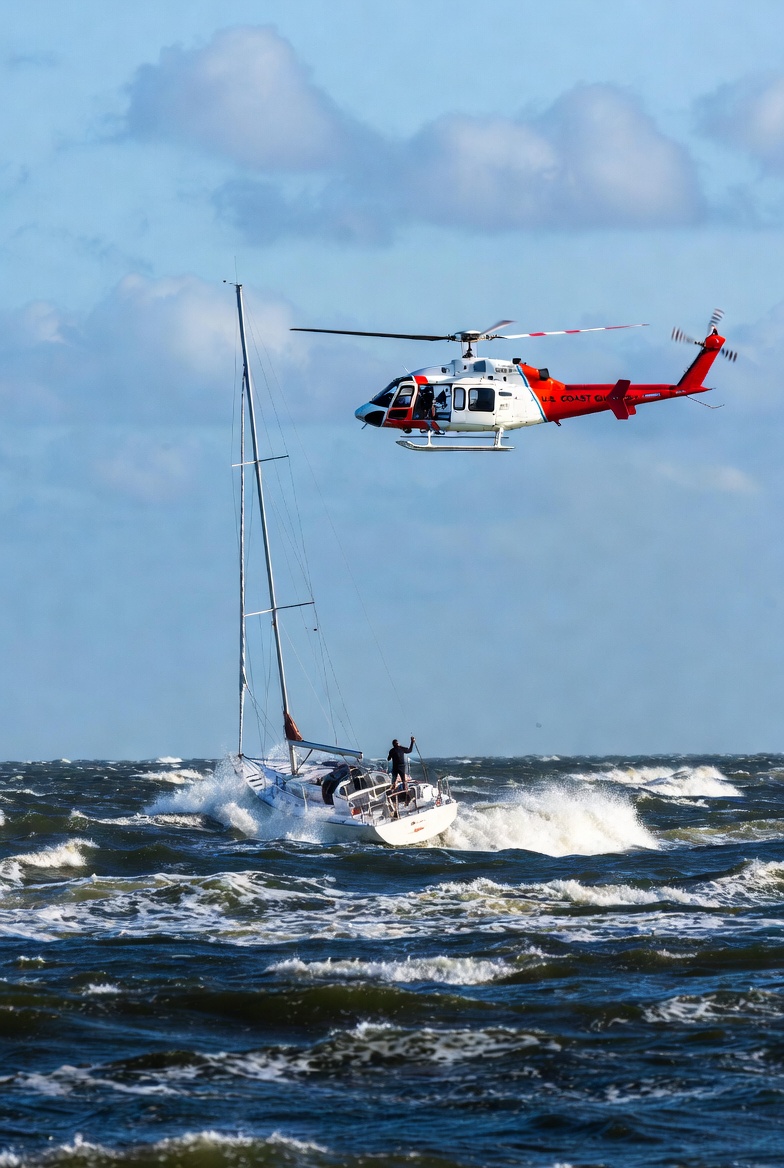
Helicopter Hoist Saves Solo Sailor in Rough Seas
On January 31, 2026, U.S. Coast Guard aircrews from Air Station Clearwater and Air Station Miami responded to a personal locator beacon (PLB) activation from a disabled sailing vessel located about 75 miles southeast of Daytona Beach, Florida. The mariner, who was alone aboard the vessel, had encountered severe issues including torn sails that rendered the boat inoperable.
The Coast Guard helicopter crew located the individual in challenging conditions and safely hoisted him from the disabled sailboat. He was then transported to Daytona Beach International Airport, where he was handed over to emergency medical services (EMS) for evaluation. Fortunately, no injuries were reported, and the mariner was in stable condition following the rescue.
The operation underscores the importance of carrying a properly registered PLB or emergency position-indicating radio beacon (EPIRB) when venturing offshore. These devices provide a vital lifeline by automatically alerting rescue authorities with precise location data, enabling swift response even in remote areas far from shore.
Ongoing Risks for Recreational Boaters in Florida Waters
Florida's extensive coastline and busy recreational boating scene frequently lead to similar incidents, often involving engine failures, weather deterioration, or sail damage. In recent weeks, Coast Guard crews have conducted multiple rescues in the region, including a separate effort where good Samaritans and Coast Guard assets saved three people from a sailboat taking on water 450 miles east of Daytona Beach amid 20-foot seas.
Officials from the U.S. Coast Guard Southeast District emphasized that mariners should always prepare for emergencies by equipping their vessels with essential safety gear, maintaining proper vessel maintenance, and filing float plans when possible. The successful outcome of this rescue demonstrates the readiness and coordination of Coast Guard air and surface units across the Southeast's vast area of responsibility.
The rescued individual was reported safe, and the incident serves as a reminder of the unpredictable nature of the sea and the life-saving impact of modern distress signaling technology.