

The Black Box on Your Grocery Shelf: How “Natural Flavor” Keeps Americans in the Dark
Posted in: Consumer Advocacy · Food Transparency · Investigative Reporting
Date: 2026-11-14 16:42:58
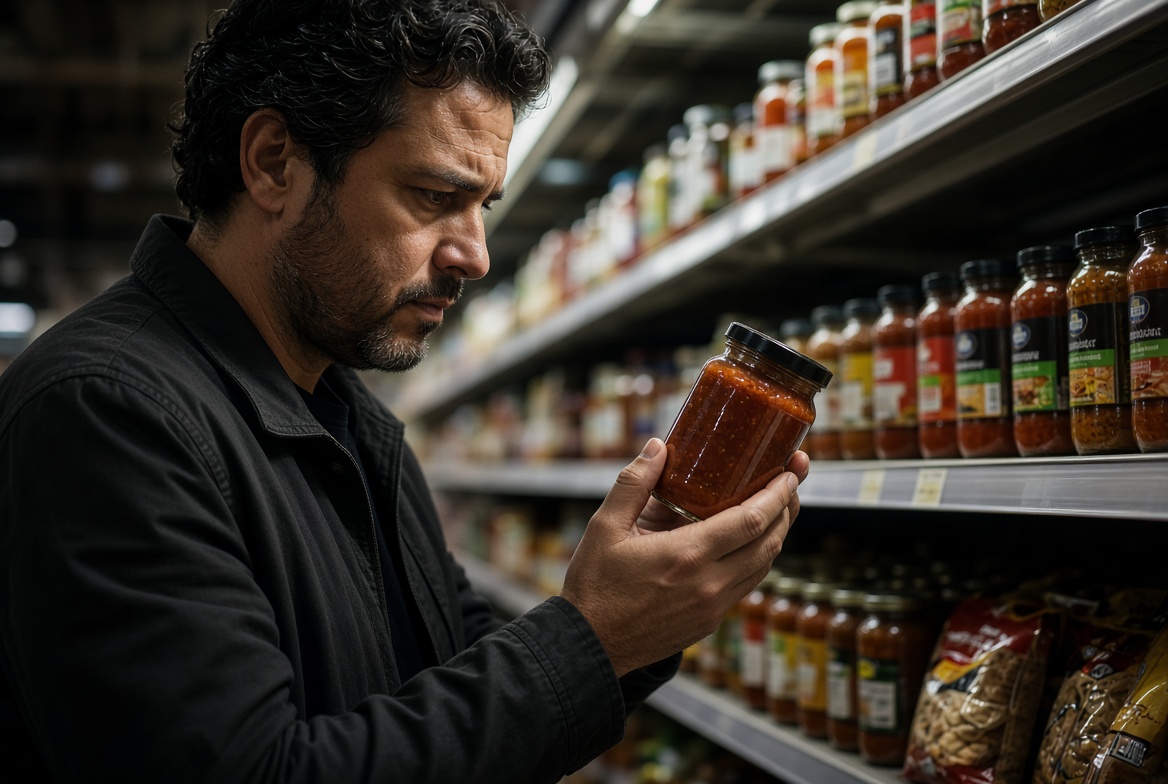
What the Label Hides in Plain Sight
Let's say you go shopping at the grocery store. You pick a product. You search the label to see if it has added sugar. You also look to see if there are any animal byproducts, like lard or gelatin. Maybe you don't like bioengineered ingredients, so now you're searching for that on the label. Is it kosher? Is it organic? This list goes on and on and on. It's exhausting, right? Imagine doing that for every single item, every single trip. It's madness.
For years, shoppers have been told the ingredient list is their best defense. Yet one of the most common phrases on American food packages—“natural flavor”—is designed to reveal almost nothing. Federal rules require only that the flavor come from a plant or animal source and serve primarily as flavoring rather than nutrition. Beyond that, the specific compounds, the source material, the solvents, and the carriers can remain proprietary secrets. The result is a three-word term that can stand for a simple spice extract or a complex industrial blend the consumer is never allowed to see.
The Rules That Protect the Secret
Sugar cannot be smuggled through this loophole. Its main purpose is sweetening, not flavoring, so it fails the legal definition of a natural flavor. Any added sugars must also appear on the Nutrition Facts panel. If a product declares zero grams of added sugars, the company is stating under regulatory scrutiny that none were introduced—whether in the main recipe or inside a flavor system. The real gap is everything else. Bioengineered ingredients must be disclosed above certain thresholds, yet the disclosure does not tell shoppers whether a particular natural flavor was derived from a bioengineered crop. Organic certification remains the clearest legal barrier against genetic engineering; ordinary packages offer only partial transparency.
The Cost of Partial Truths
The practical effect is a grocery aisle full of products whose full composition cannot be known from the label. Ultra-processed foods built on refined ingredients and proprietary flavor systems dominate shelves, and public-health data continue to link high intakes of these products and excess added sugars to higher rates of obesity, diabetes, and heart disease. Shoppers who try to avoid the combination of vague natural flavors, added sugars, and bioengineered ingredients quickly find how few fully transparent options remain. Prices stay high. Reading time multiplies. The choice often becomes convenience versus ingredients a person can fully understand.
A System That Favors Opacity
This is not an accident of language. Proprietary formulations, consistent taste, and long shelf life are easier to maintain when the precise contents of a flavor can stay off the label. Farmers growing identifiable whole foods compete against products whose flavor and texture are engineered in ways the package does not fully describe. Consumers who want to support simpler agriculture or simply know what they are eating are left decoding partial disclosures. The gap between what the label says and what the food actually contains is precisely the kind of consumer issue classic investigative reporting was built to expose.
What Changes the Picture
Demand specific ingredient lists instead of the blanket term natural flavor. Use the Added Sugars line and bioengineered disclosures that already exist—they are enforceable even if incomplete. Prefer foods whose ingredients you can picture: whole vegetables, fruits, meats, grains, and legumes. Support organic or other verified non-bioengineered options when that standard matters. And keep pressure on companies and regulators to tighten the rules on what may be concealed under collective terms. Clearer labels will not arrive by accident. They will arrive when enough shoppers refuse to accept a black box as an ingredient.