

The PS5 Pro’s $1,500 Reality Check: Scarcity, Soaring Prices, and an Uncertain Future for PlayStation
Posted in: Gaming Hardware · Console Pricing · Industry Analysis
Date: 2026-10-31 18:43:47
A Premium Console Trapped in a Perfect Storm
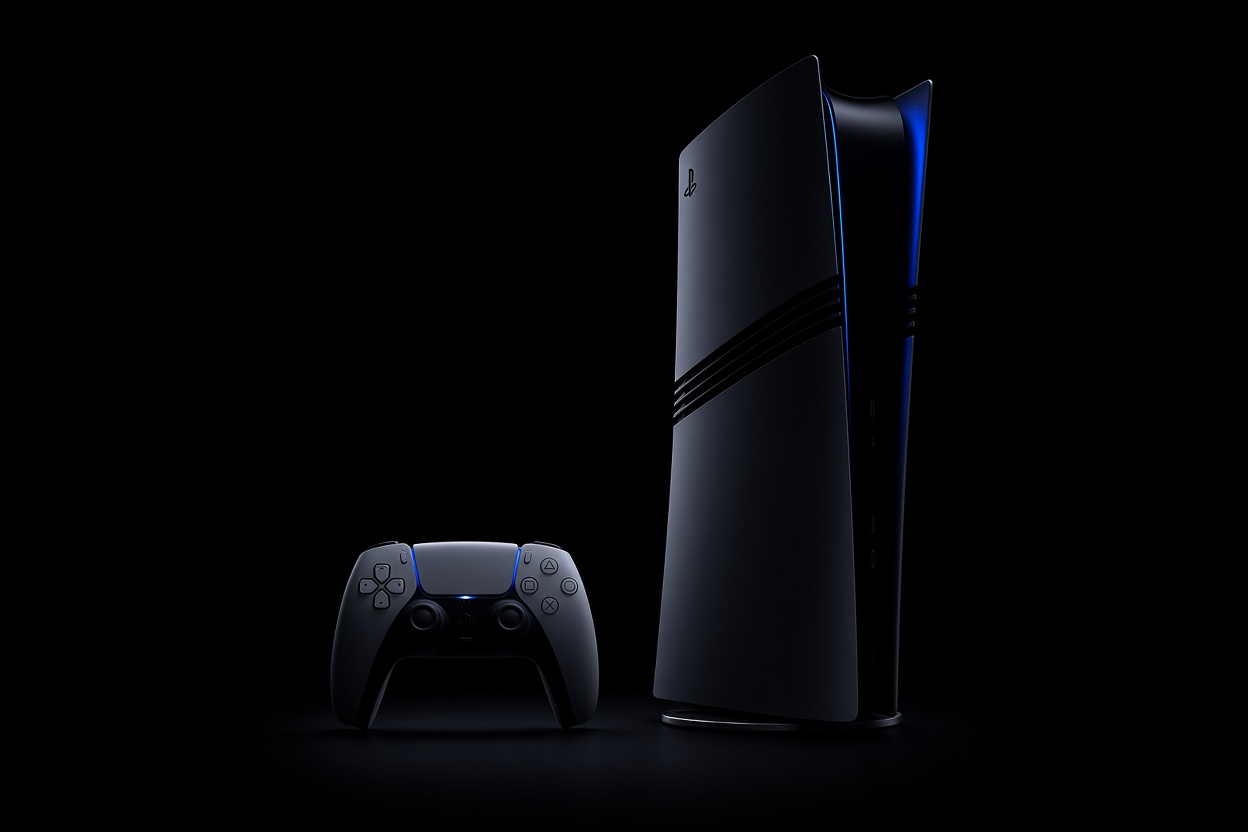
What began as a $699.99 mid-generation upgrade has transformed into one of the most inaccessible and expensive mainstream gaming products on the market. As of late October 2026, the PlayStation 5 Pro frequently appears on Amazon and other major retailers through third-party sellers at prices approaching or exceeding $1,500—more than double its original launch price. Official stock at the current manufacturer’s suggested retail price remains scarce or unavailable for immediate delivery, with no clear indication of meaningful relief before 2028. Combined with the imminent launch of Grand Theft Auto VI, ongoing semiconductor constraints driven by artificial intelligence demand, and growing consumer frustration, the situation raises a pointed question: Is PlayStation’s hardware strategy approaching a breaking point?
The Current Market Reality: From $699 to $1,500
The PS5 Pro launched in November 2024 at $699.99. In April 2026, Sony raised the recommended retail price to $899.99, citing broader economic pressures. Today, that official figure is largely theoretical for buyers seeking immediate availability. Tracking data and retailer listings show new and refurbished units routinely selling between $1,399 and $1,599 on Amazon marketplace sellers, with some listings higher. Used units average around $1,100–$1,200. Similar premiums appear across Best Buy third-party sellers, GameStop, Walmart, and international markets, where prices in euros frequently exceed €1,400–€1,600.
Supply constraints are expected to persist well into 2027. Industry reports and retailer communications indicate that meaningful restocks at standard pricing remain limited, and any Black Friday reductions would be surprising given the combination of high demand and restricted component availability.
Official Sony Statements on Pricing and Supply
Sony has been relatively transparent about the drivers behind the price increases. In a March 27, 2026 PlayStation Blog post, Isabelle Tomatis, Vice President of Global Marketing at Sony Interactive Entertainment, stated: “With continued pressures in the global economic landscape, we’ve made the decision to increase the prices of PS5, PS5 Pro, and PlayStation Portal remote player globally. We know that price changes impact our community, and after careful evaluation, we found this was a necessary step to ensure we can continue delivering innovative, high-quality gaming experiences to players worldwide.” The new U.S. recommended price for the PS5 Pro became $899.99 effective April 2, 2026.
On the broader supply outlook and next-generation planning, Sony CEO Hiroki Totoki has been more cautious. In recent comments, he noted that the company has “not yet decided on at what timing we will launch the new console, or at what prices,” emphasizing the need to monitor the global memory shortage, which is projected to continue into Sony’s 2027 fiscal year (ending March 2028). Totoki indicated the company is evaluating multiple scenarios, including potential changes to business models, rather than committing to a fixed launch window or price point for the successor to the PS5.
Sony has also communicated to retail partners that shortages tied to temporary supply constraints and elevated demand are expected to last “through early 2027 at the earliest.”
Consumer Backlash and the Value Debate
The pricing trajectory has generated sustained criticism from the gaming community. The original $699 launch price already drew widespread complaints that the console offered incremental rather than transformative improvements relative to its cost. Subsequent official increases and the current secondary-market premiums have intensified that sentiment. Players frequently describe the situation as poor value, particularly when many titles still lack comprehensive PS5 Pro-specific enhancements or when accessories and support appear limited compared with the base model.
Online discussions and coverage highlight frustration over both the absolute cost and the difficulty of obtaining the hardware at anything close to the recommended price. The perception that a mid-cycle refresh has become a luxury item has fueled broader questions about accessibility in the current console generation.
GTA VI, Black Friday, and Near-Term Availability
The approaching release of Grand Theft Auto VI has amplified demand at precisely the moment supply is most constrained. With the title expected to launch in November 2026 and initially exclusive to current-generation consoles, many players view the PS5 Pro as the preferred platform for the highest fidelity experience. This surge has further tightened inventory and supported elevated reseller pricing.
Against this backdrop, significant Black Friday price reductions on the PS5 Pro appear unlikely. Historical patterns during shortage periods show that limited stock tends to move quickly at or above list price rather than at deep discounts. Buyers hoping for relief in the coming weeks face long odds of securing a unit near the official $899.99 figure, let alone below it.
The Shadow Over PS6: AI-Driven Chip and Memory Shortages
Looking further ahead, the same structural pressures threaten the next PlayStation generation. AI data-center demand has driven sharp increases in the cost of DRAM, high-bandwidth memory, and related components. Industry estimates suggest that memory and storage alone for a next-generation console could exceed $680 per unit under current conditions—before accounting for the rest of the bill of materials. Sony leadership has explicitly left both the timing and pricing of the PS6 undecided while monitoring these constraints, which are not expected to ease quickly.
This environment raises the possibility that the successor console could launch later than historical six-to-seven-year cycles or at a price point that further tests consumer willingness to pay. In the interim, the elevated cost and scarcity of the PS5 Pro extend the relevance—and the pain points—of the current generation.
Why Doesn’t a Company the Size of Sony Simply Manufacture Its Own Chips?
Given the scale of Sony’s global operations and the repeated disruptions caused by component shortages, a natural question arises: why doesn’t the company simply design and fabricate its own processors and memory in-house? The answer lies in the extreme specialization and capital intensity of modern semiconductor manufacturing. While Sony is a technology giant with deep expertise in consumer electronics, imaging sensors, and system design, it is not a leading-edge foundry. Producing the advanced logic chips and high-bandwidth memory required for a console like the PS5 Pro—or a future PS6—demands facilities that cost tens of billions of dollars to build and equip, along with highly specialized process knowledge that takes years to develop and refine.
Sony already collaborates closely with partners such as AMD for its custom APUs, focusing its strengths on architecture, software integration, and overall system engineering rather than raw wafer fabrication. Entering the foundry business would mean competing directly with dedicated specialists like TSMC, Samsung, and Intel—companies that have spent decades and vast resources optimizing yields at the most advanced process nodes. Even firms that own fabs face the same industry-wide constraints on materials, equipment, and capacity that are currently driving up memory and chip costs across the sector.
For Sony, the more pragmatic path has been to secure supply through long-term contracts and strategic partnerships while concentrating investment on the areas where it holds clear competitive advantages. Whether that model remains sustainable in an era of prolonged AI-driven shortages is an open strategic question, but the barriers to full vertical integration remain formidable even for a company of Sony’s stature.
A Crossroads for PlayStation
The jump from a $699 debut to sustained $1,500 marketplace pricing, the absence of near-term relief, and the cloud hanging over PS6 development do not by themselves signal the end of PlayStation. Sony continues to generate strong software and services revenue, and the brand retains enormous cultural and commercial weight. However, the combination of repeated price increases, prolonged scarcity, visible consumer dissatisfaction, and structural component challenges represents a meaningful stress test.
Whether these pressures slowly erode PlayStation’s position as the accessible premium gaming platform, or whether the company successfully navigates the memory crisis and resets expectations with the next generation, remains an open and closely watched question. For now, the PS5 Pro stands as both a technical achievement and a cautionary example of how external market forces can reshape even the most established hardware strategies.