

Trump's Midterm Push: Tariffs, $5,000 Dividends, Iran War, and Shifting Alliances Define Late 2026 Agenda
Posted in: Politics · Economy · Foreign Policy
Date: 2026-10-5 19:11:27
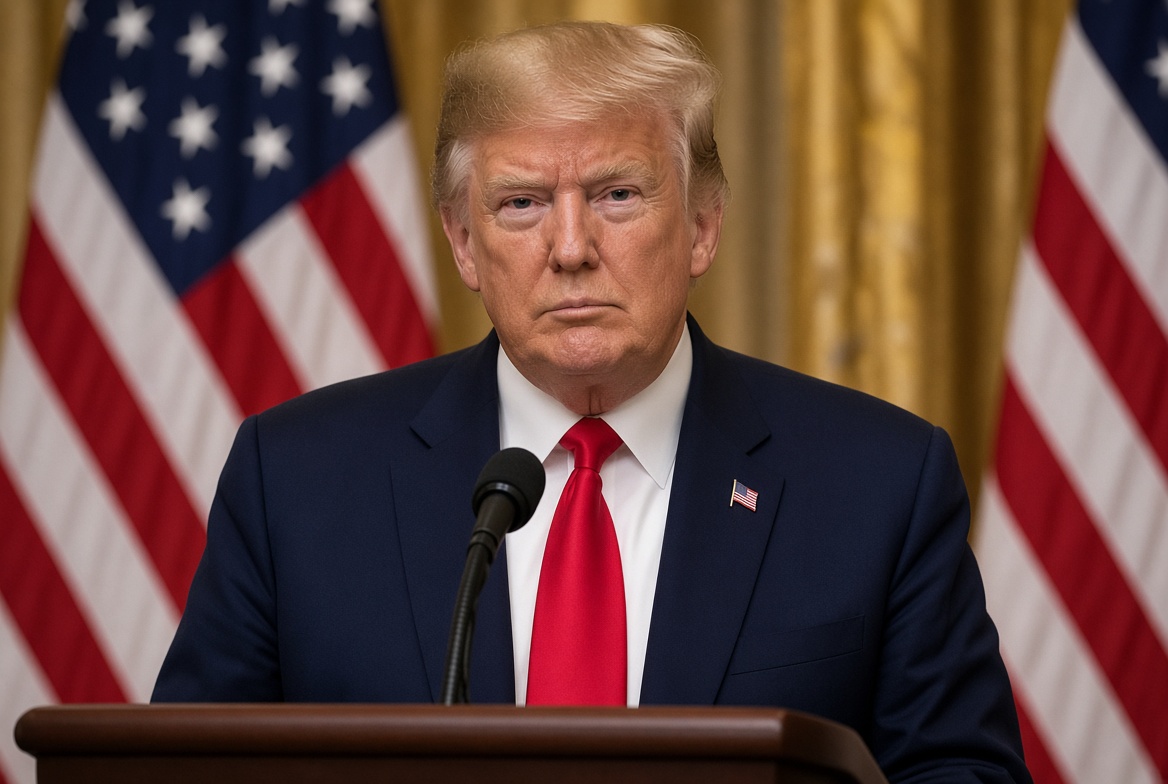
WASHINGTON — With midterm elections just weeks away on November 3, 2026, President Donald Trump has intensified a high-stakes blend of domestic economic promises, aggressive trade measures, and assertive foreign policy moves. From a conditional $5,000 “dividend” for adult citizens to ongoing military engagement in Iran, tariffs targeting Canada and other partners, and delicate diplomacy with China, the administration’s recent actions are reshaping U.S. politics, fiscal debates, and global alliances amid rising energy prices and voter concerns over affordability.
The $5,000 Dividend Promise and Tariff-Funded Ambitions
At the Republican midterm convention in Dallas in early September, Trump unveiled a bold pledge: if Republicans retain control of both the House and Senate, every adult U.S. citizen would receive a $5,000 “dividend,” which he compared to a successful company’s cash distribution to shareholders. The payment, he said, would have to be spent domestically. Trump has reiterated the promise in recent days, including a Truth Social video on October 3, stating he looks forward to signing the checks and linking the plan to tariff revenues that he claims are generating hundreds of billions in “profits” and attracting trillions in investment.
Estimates put the cost at roughly $1.2 trillion to $1.25 trillion for approximately 245–250 million adults. Critics across the aisle and some Republican lawmakers have raised alarms about the impact on the federal deficit—already elevated—and potential inflationary pressures in an economy dealing with high fuel costs. Tariff revenues, estimated by some analyses at around $125 billion annually or totaling hundreds of billions since early 2025, fall far short of covering the payout, according to the Tax Foundation and other budget models. Previous similar promises, including $2,000 tariff dividends and DOGE-related rebates, have not materialized. Trump maintains that Republican economic policies enable the plan while Democratic control would lead to negative growth.
Tariffs, Trade Wars, and Economic Coercion
Tariffs remain a central tool of the Trump administration’s economic strategy. In August, additional 50 percent duties on roughly $20 billion of Canadian goods took effect under Section 338 of the Tariff Act of 1930, prompting Canada to announce matching retaliatory tariffs on U.S. exports including steel, dairy, appliances, and electronics. Further proclamations in September refined measures on Canadian motor vehicles, dairy, and alcoholic beverages. The administration has also imposed or adjusted duties related to forced labor, overcapacity, and other issues, while extending a trade truce with China by two months following a late-September summit with President Xi Jinping.
Congress passed and Trump signed the Lindsey O. Graham Sanctioning Russia and Iran Act of 2026, authorizing steep primary tariffs on Russian goods (up to 500 percent) and secondary tariffs of up to 100 percent on major importers of Russian energy. Efforts to ease consumer prices, such as temporary rollbacks on foreign beef imports, faced domestic pushback from ranchers, leading to follow-up support measures for U.S. producers. Broader tariff policies continue to generate revenue claims from the White House but have drawn criticism for contributing to supply-chain costs, inflation above the Federal Reserve’s target, and strained relations with allies.