

2026 Archaeological Breakthroughs: New Discoveries, Ancient Inscriptions, and Excavations Bring Fresh Light
Posted in: Biblical Archaeology · Ancient Israel Discoveries · Biblical History Updates
Date: 2026-6-17 21:04:08
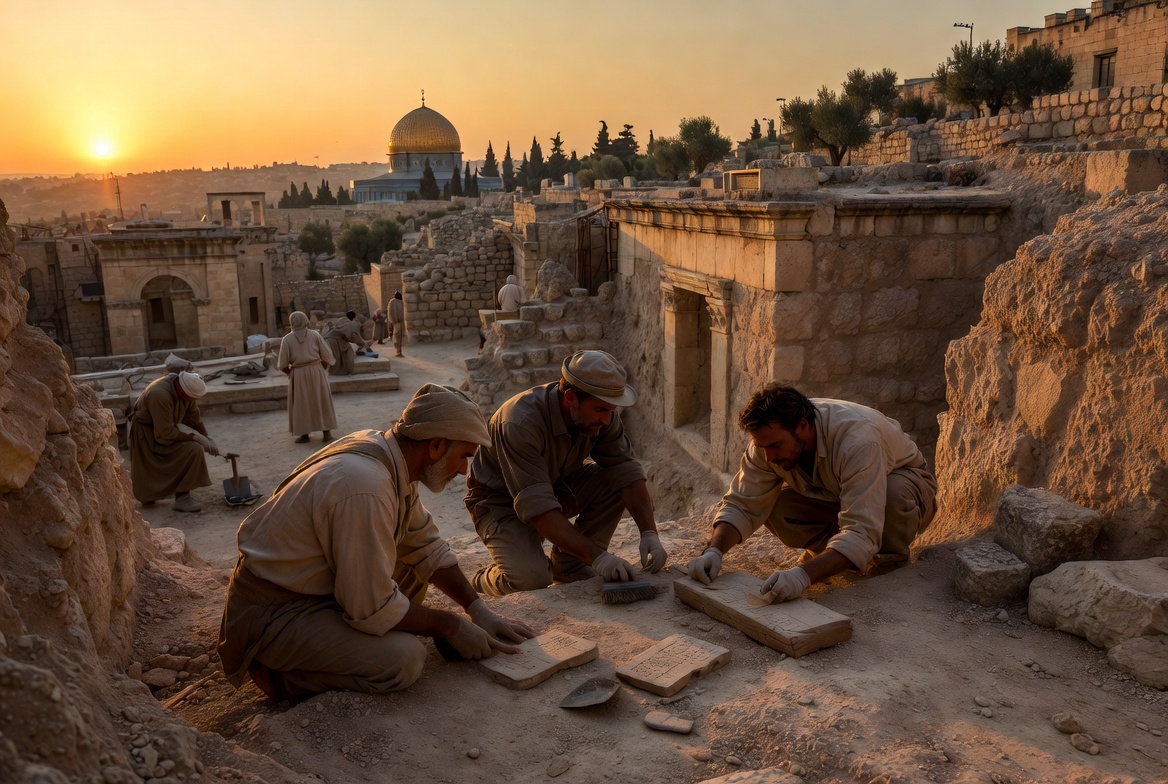
Overview of Recent Developments
Interest in biblical history remains strong in 2026, driven largely by new archaeological discoveries, publications, and ongoing excavations in Israel and surrounding regions. While there haven't been any single blockbuster finds dominating headlines recently, steady progress continues to shed light on people, places, and events described in the Bible.
Key Publications and Reports
The Biblical Archaeology Review (BAR) has featured in-depth articles in its 2026 issues. Topics include everyday life in biblical times, such as the likely modest setting of the Last Supper based on ancient Jewish dining customs, ancient synagogues, the Roman siege of Jerusalem in 70 CE, and reinterpretations of stories like the Tower of Babel.
Notable Recent Discoveries and Updates
- Exposed wooden beams potentially linked to the First Temple period in Jerusalem, which generated excitement before being protected.
- New inscriptions connected to Nebuchadnezzar, the Babylonian king prominent in the Old Testament.
- Findings related to King Hezekiah and events involving the Assyrian king Sennacherib.
- Ongoing excavations at important Jerusalem sites, including the Pool of Siloam and the ancient Pilgrim’s Road used by Jewish pilgrims heading to the Temple Mount.
Manuscripts and Ancient Texts
Scholars reconstructed lost 6th-century pages of a New Testament manuscript containing parts of Paul’s letters. Updates on Dead Sea Scrolls research, including advanced dating techniques, suggest some texts may be older than previously estimated.
Broader discussions also reference important finds from 2025 that continue to influence biblical studies, such as sites possibly tied to the Exodus period and evidence of bronze production during the time of King David.
For those new to the topic, biblical archaeology involves using digs, inscriptions, and artifacts to better understand the historical and cultural context of the Hebrew Bible and New Testament. Organizations like the Biblical Archaeology Society and the Israel Antiquities Authority regularly share updates as work progresses at various sites. New information can emerge at any time from these active excavations.